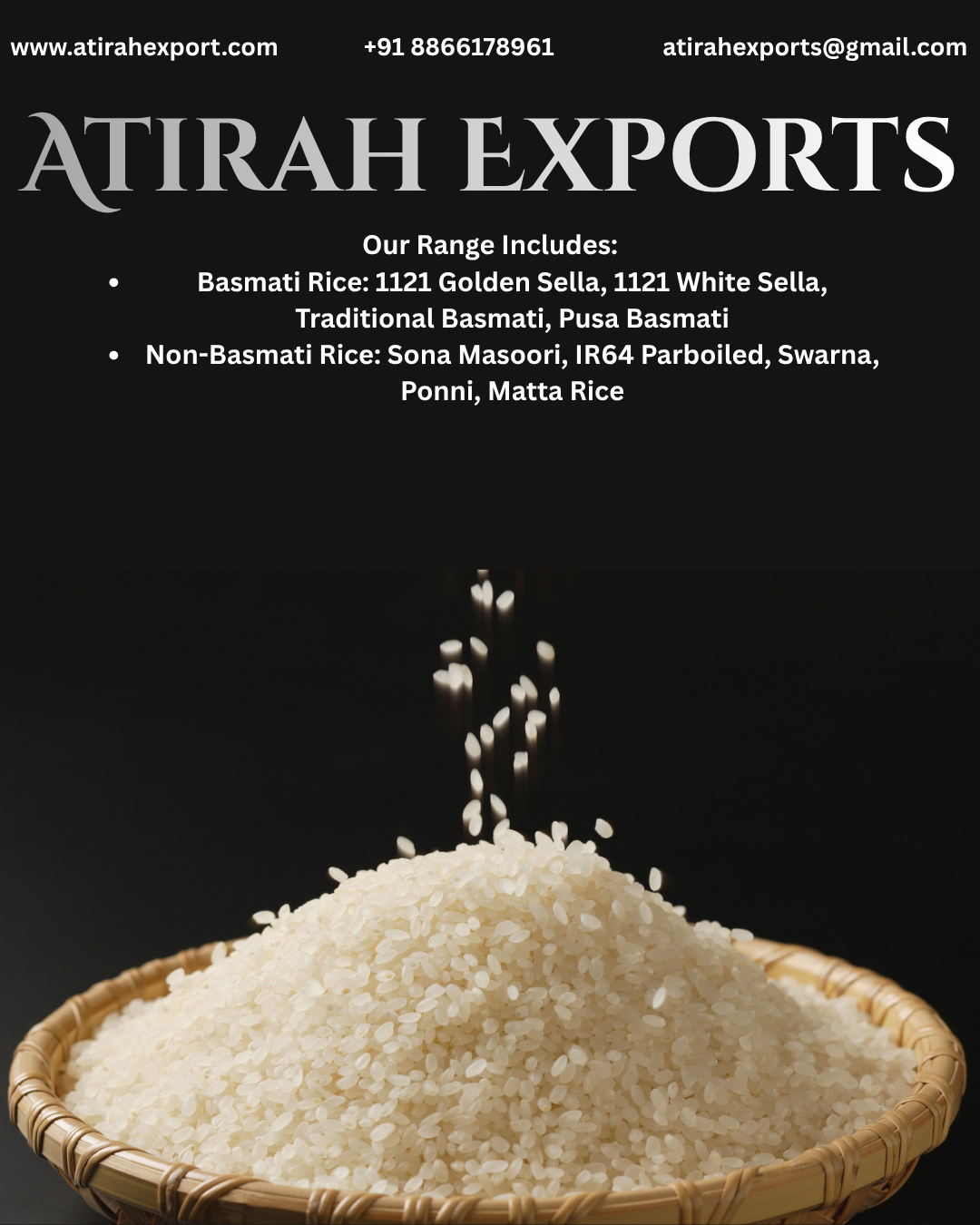
Why Balanced Payment Terms Matter: The Merchant Exporter’s Challenge in Gulf Trade
International trade is built on trust, commitment and shared commercial responsibility. Yet, one of the recurring challenges faced by Indian merchant exporters when dealing with buyers in the Gulf region is the expectation that the exporter should finance almost the entire transaction before receiving meaningful payment from the buyer.
For a merchant exporter, this can create substantial financial pressure.
A merchant exporter does not manufacture every product in-house. Once an order is confirmed, the exporter may need to arrange raw materials, production or processing, packaging, quality testing, documentation, inland transportation, port handling, freight and other export-related expenses.
In simple terms, the shipment begins with an investment.
Why Advance Payment Is Important for a Merchant Exporter
When a buyer places an international order, the exporter must commit financial resources well before the goods reach the destination.
Consider a typical transaction:
Buyer confirms the order → exporter purchases or arranges the goods → processing/packing takes place → quality checks are completed → goods move to the port → export documentation is prepared → shipment is booked → cargo is shipped.
Most of these activities require payment before the exporter receives the final commercial proceeds.
This creates an important question:
Why should only one party carry the financial burden of the transaction?
A sustainable international business relationship should not place the entire financial risk on the supplier.
Both Parties Should Be Financially Involved
A genuine business relationship requires participation from both sides.
The buyer demonstrates commitment by making an agreed advance payment.
The exporter demonstrates commitment by using that advance specifically toward procurement, preparation and execution of the order.
This creates mutual responsibility.
Advance payment is therefore not simply about protecting the exporter. It also provides commercial certainty to both parties.
For the buyer, it means the supplier has a confirmed financial commitment to execute the order.
For the exporter, it provides the working capital required to begin fulfilling the buyer’s requirements.
Why Merchant Exporters Face Particular Pressure
Large manufacturers may have substantial working capital, production facilities and established credit arrangements.
A merchant exporter operates differently.
The exporter coordinates multiple parties:
• Manufacturers
• Processing units
• Packaging suppliers
• Quality-testing laboratories
• Transporters
• Freight forwarders
• Customs and documentation service providers
• Shipping lines and other logistics partners
The exporter therefore becomes the commercial bridge between the international buyer and the Indian supply chain.
If the buyer expects the exporter to finance procurement, production, packaging and logistics entirely from its own funds, the exporter effectively becomes the buyer’s financier.
That is not a sustainable model for every merchant exporter.
Trust Must Work Both Ways
International trade should not be based on the assumption that only the supplier needs to prove trustworthiness.
The buyer also needs to demonstrate commercial commitment.
A balanced transaction asks both parties to take reasonable responsibility.
The exporter commits resources, quality control and execution.
The buyer commits financially to the order.
This is particularly important for new business relationships where the parties have not yet established a long transaction history.
Trust should be built through transparent processes, documentation, quality assurance and responsible payment structures—not through transferring all financial risk to one party.
Practical Payment Structures for Atirah Exports
Atirah Exports prefers advance-payment structures that create reasonable financial participation from both parties.
The following models can be considered depending on the product, order size, customization, procurement requirements and commercial relationship.
1. 70% Advance + 30% Against Documents
Under this structure:
70% of the order value is paid in advance.
The remaining 30% is paid against the agreed shipping/export documents, as contractually defined.
This model is particularly appropriate when substantial procurement, processing, customized packaging or other upfront commitments are required.
It gives the exporter sufficient working capital to execute the order while retaining a final payment milestone for the buyer.
2. 60% Advance + 40% Against Documents
Under this model:
60% is paid as an advance.
40% is paid against the agreed shipping/export documents.
This provides a more balanced distribution of the financial commitment and can be considered for established specifications and transactions where the initial procurement requirement is comparatively manageable.
3. 50% Advance + 50% Against Documents
This structure provides an even financial split:
50% advance payment.
50% against the agreed shipping/export documents.
It can be suitable when both parties want a highly balanced commercial arrangement while maintaining sufficient working capital for order execution.
Why These Models Are Better Than Full Supplier Financing
The objective is not to make international trade difficult for buyers.
The objective is to make the transaction commercially sustainable.
When an exporter receives an agreed advance, the funds can be committed toward:
• Product procurement
• Processing and manufacturing
• Packaging
• Quality inspection and testing
• Documentation
• Inland transportation
• Port-related expenses
• Freight and shipment preparation
The buyer is therefore participating in the transaction from the beginning rather than expecting the exporter to finance the complete supply chain.
A Business Transaction Should Be a Partnership
International trade should not be viewed as:
“Buyer orders → exporter pays everything → exporter ships → exporter waits.”
A healthier model is:
“Buyer commits → exporter procures and prepares → both parties fulfill their obligations → shipment proceeds → transaction is completed transparently.”
This approach creates accountability on both sides.
For Atirah Exports, the objective is not merely to secure one purchase order.
The objective is to establish a long-term international business relationship based on transparency, reliability and mutual respect.
The Bottom Line
A merchant exporter is a business partner—not a financing institution.
Every international shipment involves real financial commitments before the goods leave India. Expecting the exporter to bear the entire financial burden can create unnecessary pressure and risk, particularly for merchant exporters managing procurement from multiple suppliers.
Balanced advance-payment structures allow both parties to participate responsibly.
For Atirah Exports, the preferred structures are:
70% Advance + 30% Against Documents
60% Advance + 40% Against Documents
50% Advance + 50% Against Documents
The exact structure can depend on the product, order requirements, customization, procurement exposure and commercial circumstances.
Ultimately, successful international trade is not about asking one party to carry all the risk.
It is about creating a transaction where both parties have something invested, both parties have responsibilities, and both parties have a reason to make the relationship successful.
Trust must work both ways.