International shipping plays a vital role in global trade, enabling exporters and importers to move goods efficiently across borders. Among the various shipping methods available, Container Shipping and Break Bulk Shipping are two of the most commonly used options. Choosing the right method can significantly impact transportation costs, cargo safety, transit time, and overall supply chain efficiency.
In this article, we explore the differences between container shipping and break bulk shipping, their advantages and disadvantages, and how exporters can determine the best option for their cargo.
What Is Container Shipping?
Container shipping involves transporting goods in standardized shipping containers, typically 20-foot (TEU) or 40-foot (FEU) containers. These containers are loaded at the point of origin and remain sealed until they reach the destination.
Containerization has revolutionized international trade by providing a secure, efficient, and cost-effective method of transporting goods worldwide.
Common Cargo Shipped in Containers
- Rice
- Tea
- Coffee
- Pulses
- Spices
- Textiles
- Consumer goods
- Machinery components
- Electronics
Advantages of Container Shipping
1. Enhanced Cargo Protection
Containers protect goods from weather conditions, theft, contamination, and physical damage during transit.
2. Cost-Effective for Standard Cargo
For most export commodities, container shipping offers lower handling costs and greater operational efficiency.
3. Faster Loading and Unloading
Modern ports are equipped with specialized container handling equipment, reducing turnaround time.
4. Easier Tracking
Most shipping lines provide real-time tracking, allowing exporters and importers to monitor shipments throughout the journey.
5. Lower Risk of Cargo Loss
Since containers remain sealed throughout transportation, the chances of pilferage or cargo mixing are significantly reduced.
What Is Break Bulk Shipping?
Break bulk shipping refers to transporting cargo that cannot fit into standard shipping containers due to its size, weight, shape, or volume. Cargo is loaded individually onto the vessel and secured separately.
This method was the primary mode of maritime transport before containerization became widespread.
Common Break Bulk Cargo
- Large industrial machinery
- Steel structures
- Construction equipment
- Wind turbine components
- Heavy project cargo
- Oversized agricultural machinery
- Large generators and transformers
Advantages of Break Bulk Shipping
1. Suitable for Oversized Cargo
Break bulk vessels can accommodate cargo dimensions that exceed container limitations.
2. Flexibility for Project Cargo
Large infrastructure, mining, and energy projects often require specialized transportation methods available through break bulk shipping.
3. No Container Size Restrictions
Cargo can be loaded directly onto the vessel without requiring disassembly.
4. Accessibility to Specialized Ports
Some destinations may have facilities designed specifically for break bulk operations.
Disadvantages of Break Bulk Shipping
Higher Handling Costs
Each cargo unit requires separate loading, securing, unloading, and documentation procedures.
Increased Risk of Damage
Cargo is more exposed to environmental conditions and handling operations.
Longer Loading Times
Individual cargo handling generally takes more time than containerized shipments.
Complex Logistics Planning
Specialized equipment and vessel scheduling are often required.
Container Shipping vs Break Bulk Shipping: Key Differences
| Factor | Container Shipping | Break Bulk Shipping |
|---|---|---|
| Cargo Type | Standardized goods | Oversized or heavy cargo |
| Cost | Generally lower | Generally higher |
| Cargo Protection | High | Moderate |
| Loading Speed | Faster | Slower |
| Tracking | Easier | More complex |
| Theft Risk | Lower | Higher |
| Handling Requirements | Standardized | Specialized |
| Port Availability | Widely available | Limited to suitable ports |
Which Shipping Method Is Better for Rice Exports?
For commodities such as rice, tea, coffee, pulses, and spices, container shipping is generally the preferred option.
Reasons:
- Better cargo protection
- Lower freight and handling costs
- Easier documentation
- Reduced contamination risk
- Faster delivery schedules
- Suitable for bagged agricultural products
For example, exporters shipping IR64 Rice, Basmati Rice, or Pulses typically utilize 20-foot containers because they provide optimal cargo security and cost efficiency.
When Should Exporters Choose Break Bulk Shipping?
Break bulk shipping becomes advantageous when:
- Cargo exceeds container dimensions.
- The shipment includes heavy industrial equipment.
- Large infrastructure projects require direct vessel loading.
- Disassembly is impractical or impossible.
Industries such as construction, mining, power generation, and heavy engineering frequently rely on break bulk transportation.
Cost Considerations
When evaluating shipping options, exporters should consider:
Container Shipping Costs
- Freight charges
- Container stuffing
- Inland transportation
- Port handling charges
- Customs clearance
Break Bulk Shipping Costs
- Vessel charter costs
- Heavy-lift equipment
- Specialized handling
- Port storage
- Cargo securing and lashing
Although break bulk may appear attractive for certain cargo types, total logistics expenses are often higher than containerized transportation.
Future Trends in Global Shipping
The global shipping industry continues to invest heavily in container infrastructure due to:
- Increasing international trade volumes
- Improved port automation
- Better cargo tracking technology
- Enhanced supply chain visibility
- Lower environmental impact per unit transported
However, break bulk shipping remains indispensable for oversized and project cargo that cannot be containerized.
Conclusion
Both container shipping and break bulk shipping serve important roles in international trade. The right choice depends on the nature, dimensions, weight, and value of the cargo being transported.
For most agricultural exports, including rice, tea, coffee, pulses, and spices, container shipping offers superior protection, lower costs, and greater efficiency. On the other hand, break bulk shipping remains the ideal solution for oversized, heavy, and project-related cargo that cannot fit inside standard containers.
Exporters should carefully assess cargo specifications, logistics requirements, destination port capabilities, and overall shipping costs before selecting the most suitable transportation method.
About Atirah Exports
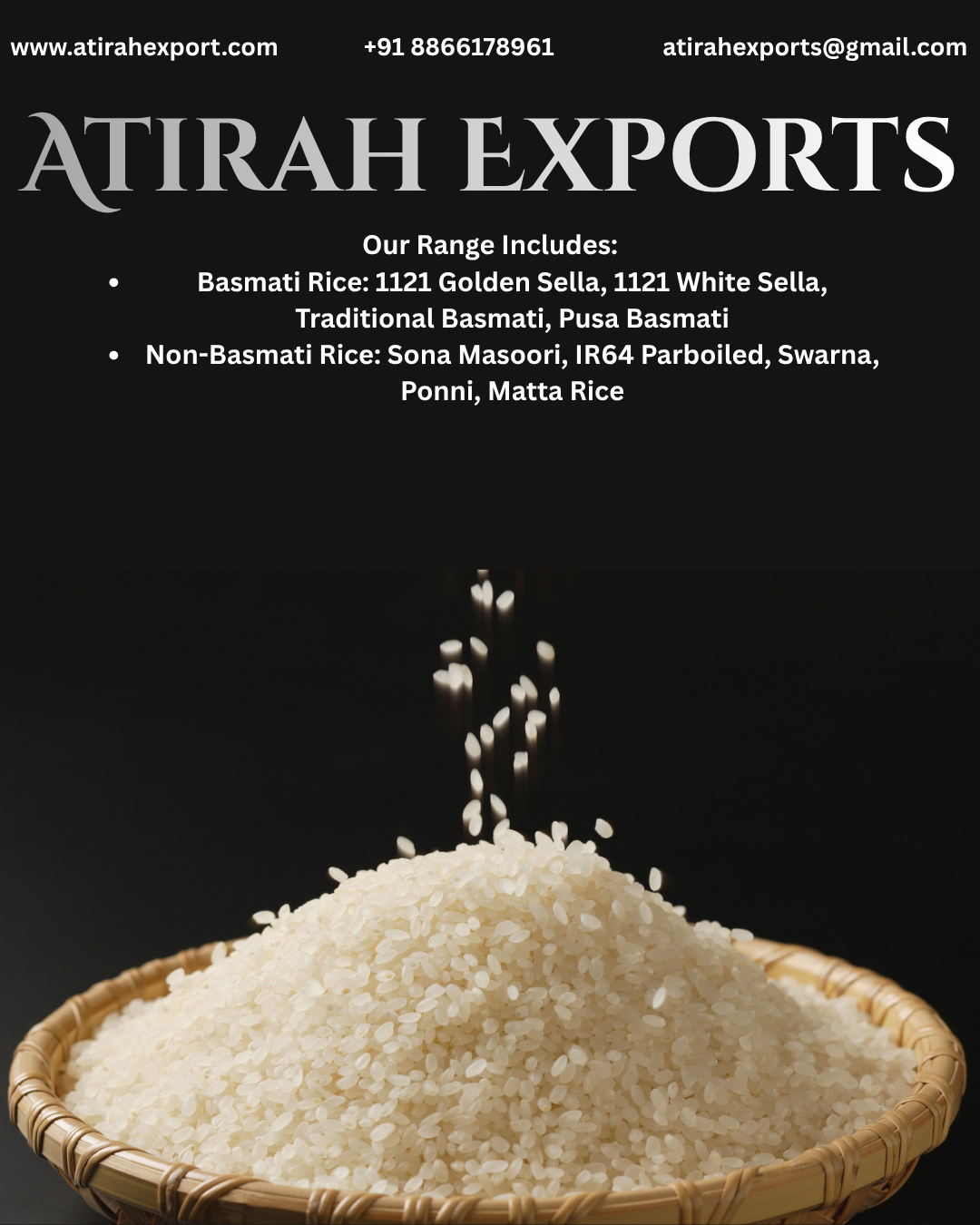
Atirah Exports is a merchant exporter from India specializing in Basmati Rice, Non-Basmati Rice, Tea, Coffee, Pulses, Cereals, Agricultural Products, Herbal Powders, and Textiles.
📧 info.ae@atirahexport.com
📧 atirahexports@gmail.com
🌐 www.atirahexport.com
📞 +91 8160378961 | +91 7990922402 | +91 8866178961