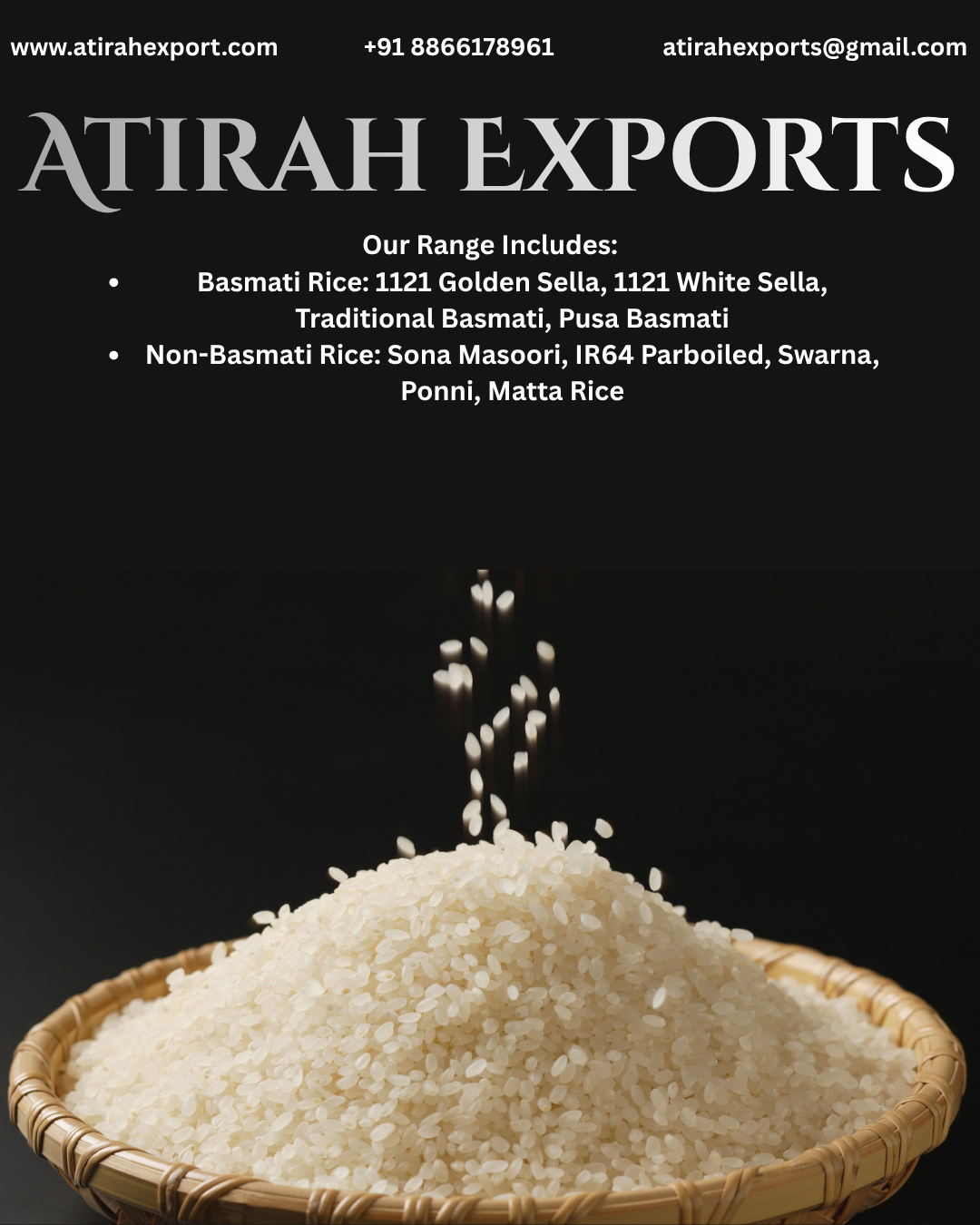
The Role of Merchant Exporters in Global Trade
International trade has become increasingly interconnected, enabling businesses around the world to access products from different countries efficiently. One of the key contributors to this global supply chain is the merchant exporter. Merchant exporters act as a bridge between manufacturers and international buyers, making global sourcing simpler, more reliable, and cost-effective.
By coordinating sourcing, quality control, and logistics, merchant exporters help importers obtain the products they need without the complexities of dealing with multiple suppliers.
What Merchant Exporters Do
Merchant exporters purchase or source products from manufacturers and suppliers within their country and supply them to international buyers. They manage the entire export process, including sourcing, quality checks, packaging, documentation, and shipping.
Their responsibilities often include:
- Identifying reliable manufacturers and suppliers
- Negotiating pricing and supply terms
- Managing export documentation and compliance
- Coordinating packaging and shipment logistics
- Ensuring timely delivery to international markets
This integrated approach simplifies the procurement process for overseas buyers.
Benefits for International Buyers
Working with a merchant exporter offers several advantages to international buyers.
Simplified sourcing: Buyers can access multiple products through a single exporter rather than dealing with numerous suppliers.
Reduced risk: Merchant exporters verify suppliers and ensure quality standards before shipment.
Efficient communication: Buyers communicate with one reliable partner who manages the supply chain.
Faster procurement: With established supplier networks, merchant exporters can quickly source and dispatch goods.
These benefits make merchant exporters valuable partners for businesses importing products from foreign markets.
Product Sourcing from Multiple Regions
Merchant exporters often maintain extensive supplier networks across different regions. This allows them to source products based on availability, quality, and price competitiveness.
For example, agricultural commodities, tea, coffee, or textiles may be sourced from regions known for their specific strengths. By leveraging regional expertise, merchant exporters can offer buyers better product options and consistent supply.
This diversified sourcing approach also helps manage risks such as seasonal availability or supply disruptions.
Quality Inspection and Consolidation
Quality assurance is an essential part of export trade. Merchant exporters typically conduct product inspections before shipment to ensure the goods meet the buyer’s specifications.
They may also consolidate shipments from multiple suppliers into a single export consignment. This process offers several advantages:
- Improved quality control
- Reduced shipping costs
- Efficient packaging and container utilization
- Simplified logistics management
Consolidation is especially beneficial for buyers who require multiple products in one shipment.
Cost Advantages for Importers
Merchant exporters can often offer competitive pricing due to their strong relationships with suppliers and their ability to manage bulk procurement.
Importers benefit from:
- Better negotiated supplier prices
- Lower logistics and consolidation costs
- Reduced operational overhead
- Optimized shipping efficiency
These cost advantages make merchant exporters a practical choice for businesses seeking reliable and economical sourcing solutions.