Which Products Are Being Imported the Most by Importers in 2025–26?
By Unnati Vimal Thakor, Proprietor – Atirah Exports
Global trade in 2025–26 is being shaped by food security priorities, changing consumer habits, inflationary pressures, and supply chain diversification. Importers across the world are focusing on essential commodities, reliable sourcing countries, and suppliers who can ensure consistent quality and documentation compliance.
As a merchant exporter working closely with international buyers, I would like to share practical insights into which products are seeing the highest import demand in 2025–26 and why these categories continue to dominate global trade.
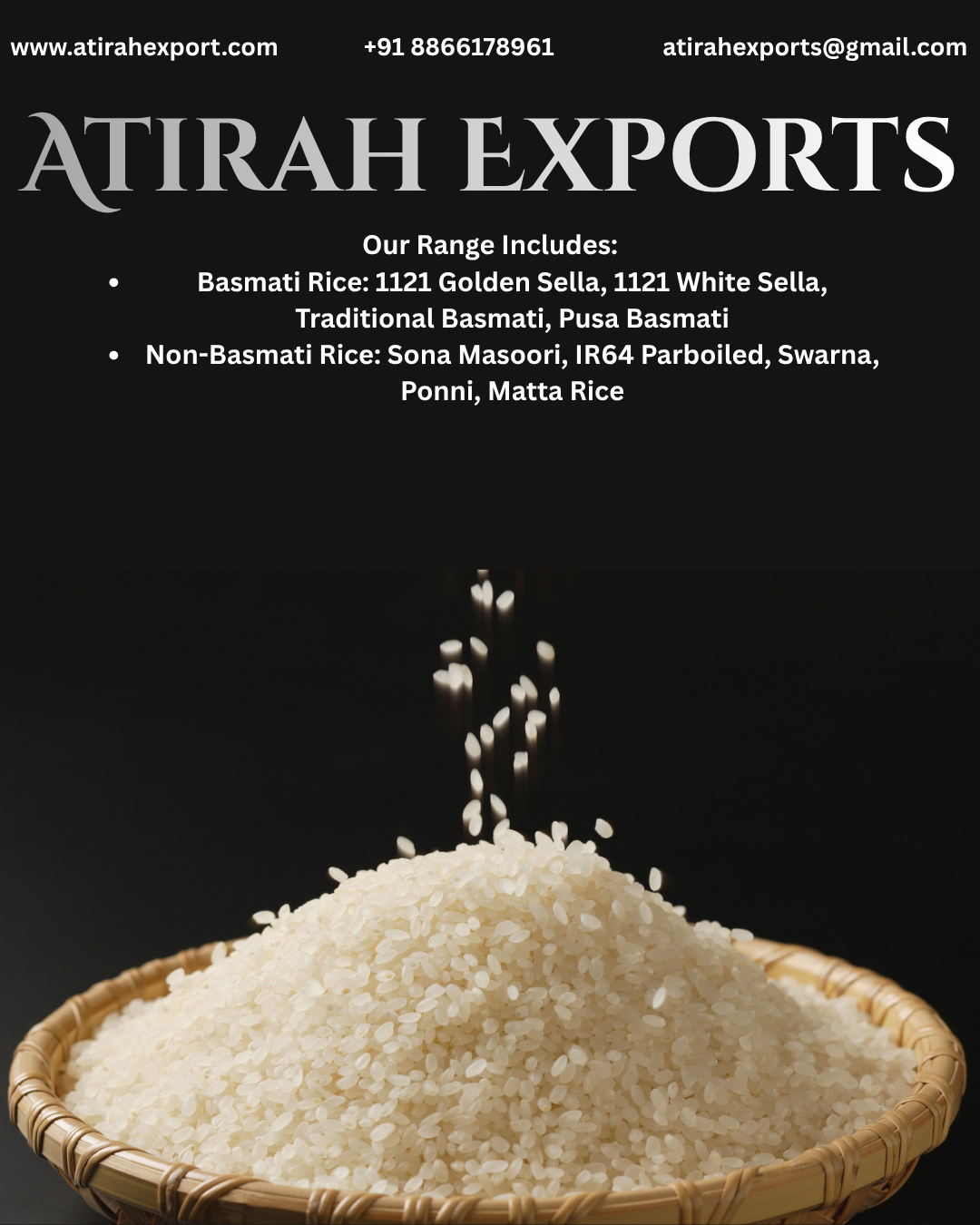
1. Rice (Basmati & Non-Basmati)
Rice remains one of the most imported staple foods worldwide. Importers from the Middle East, Africa, Asia, and parts of Europe continue to rely heavily on exporting countries like India due to quality consistency and competitive pricing.
High-demand varieties in 2025–26 include:
- Traditional and steam Basmati rice
- 1121, 1509, and 1401 Basmati varieties
- Non-Basmati rice such as IR varieties for institutional and bulk use
Rising populations, food inflation, and government stocking policies are key drivers behind this sustained demand.
2. Spices & Spice Powders
Spices are no longer limited to household kitchens—they are now essential for food processing industries, ready-to-eat segments, and horeca buyers.
Most imported spices in 2025–26:
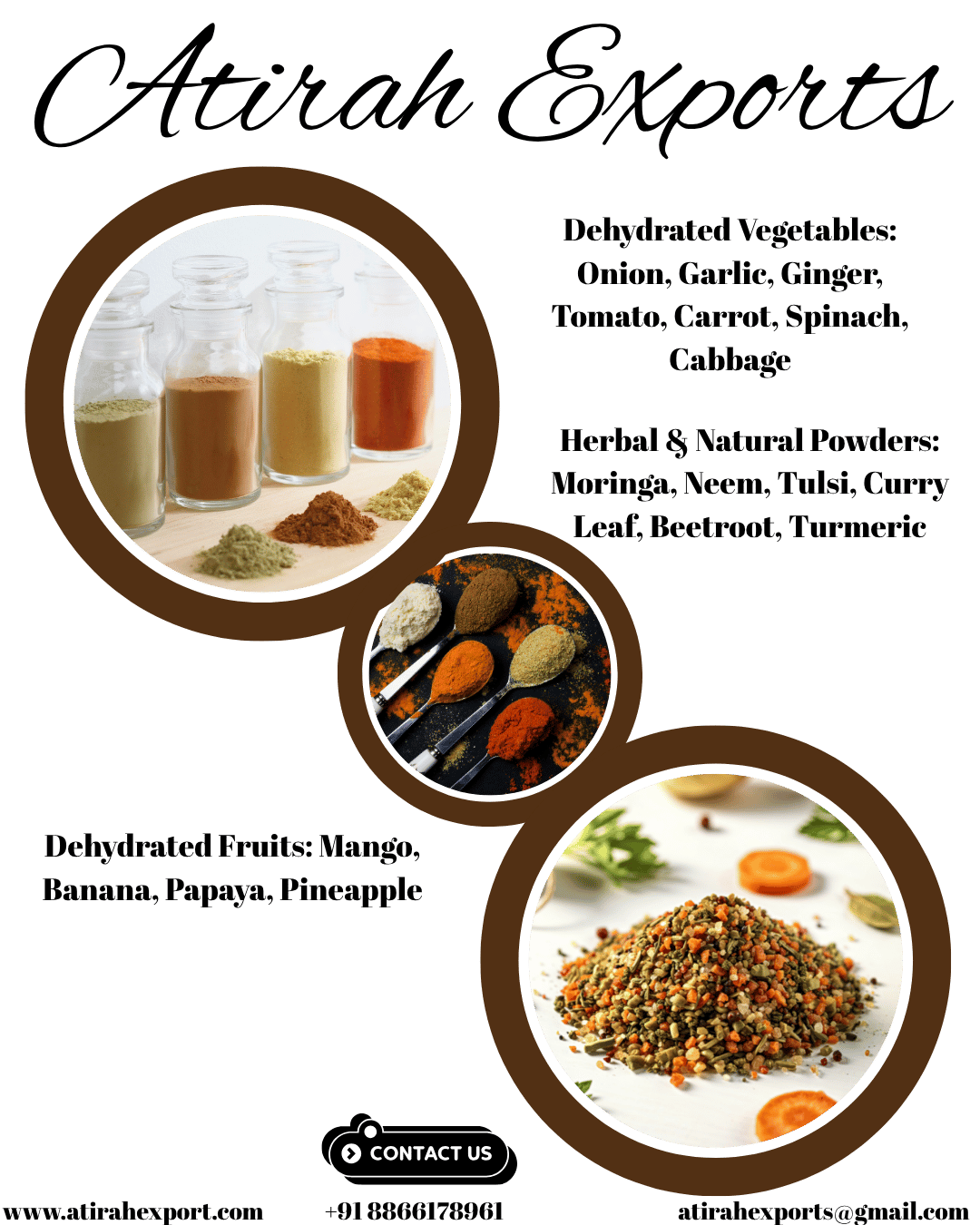
- Turmeric powder
- Red chilli powder
- Cumin seeds
- Blended and customized spice formulations
Importers are increasingly asking for clean-label products, controlled moisture levels, and customized packaging, making merchant exporters a preferred sourcing model.
3. Pulses & Lentils
With growing interest in plant-based protein and cost-effective nutrition, pulses continue to see strong import volumes.
Popular imports include:
- Chickpeas
- Lentils
- Dry peas
- Beans for ethnic and bulk consumption markets
Price stability and consistent supply have made pulses a priority commodity for many importing nations.
4. Tea & Coffee
Global consumption of tea and coffee is steadily rising, especially in private-label, hospitality, and specialty beverage segments.
High-demand categories:
- CTC tea for strong liquor markets
- Green tea (natural and organic grades)
- Coffee beans and instant coffee for food service buyers
Buyers now prefer exporters who can offer grade clarity, origin transparency, and flexible packing options.
5. Wheat Flour, Cereals & Agro-Based Products
Processed agricultural products are gaining momentum as importers seek ready-to-use raw materials.
Common imports include:
- Wheat flour (Maida)
- Cereals for food manufacturers
- Herbal and natural agro powders
These products reduce processing time for buyers and ensure uniformity in end use.
6. Fresh & Processed Agro Produce
Certain fruits and agro products remain seasonal but high-value imports.
Key products:
- Mango and mango-based products
- Dehydrated and processed agricultural items
Traceability, phytosanitary compliance, and proper packaging are critical in this segment.
Why Merchant Exporters Are Gaining Preference
In 2025–26, many importers prefer working with merchant exporters rather than single-product manufacturers because:
- Multiple product sourcing under one roof
- Better price benchmarking
- Flexible quantities and mixed container options
- Faster communication and documentation handling
This approach reduces procurement risk and simplifies supply chains.
Final Thoughts
The most imported products in 2025–26 clearly reflect one trend: essentials with consistency and reliability. Food grains, spices, beverages, and agro-based products will continue to dominate global imports, especially when backed by quality assurance and transparent trade practices.
At Atirah Exports, our focus remains on understanding importer requirements in detail—product specifications, packaging preferences, destination regulations, and long-term supply goals—so that we can build stable and trusted trade relationships.
If you are an importer looking for dependable sourcing from India, the right time to plan your 2025–26 procurement is now.
Written by
Unnati Vimal Thakor
Proprietor – Atirah Exports
🌐 www.atirahexport.com
📧 info.ae@atirahexport.com
📞 +91 8160378961