Introduction
India has become one of the world’s most diverse sourcing destinations, supplying everything from agricultural commodities and food products to textiles, chemicals, engineering goods, handicrafts, and consumer products.
Many importers, distributors, wholesalers, supermarkets, and retail chains need more than one product category. Instead of coordinating with numerous manufacturers, many businesses now prefer working with a single experienced merchant exporter who can consolidate multiple product requirements into one efficient supply chain.
This guide explains how sourcing multiple products from one Indian merchant exporter can save time, reduce costs, and simplify international trade.
What Is a Merchant Exporter?
A merchant exporter purchases products from verified manufacturers, performs quality checks, manages export documentation, coordinates logistics, and delivers products to overseas buyers.
Unlike manufacturers who specialize in one product line, merchant exporters can source products from multiple industries and suppliers while serving as a single point of contact.
This flexibility makes merchant exporters particularly valuable for buyers seeking a diverse range of products in one shipment.
Why Buyers Prefer One Merchant Exporter
Instead of dealing with five or ten suppliers, buyers communicate with one trusted export partner.
Advantages include:
- One quotation
- One export documentation process
- One shipment
- One logistics coordinator
- One payment process
- One quality management team
- Faster communication
- Reduced administrative workload
This approach significantly simplifies international procurement.
Products That Can Be Combined in One Order
A professional Indian merchant exporter may help buyers source products such as:
Agricultural Products
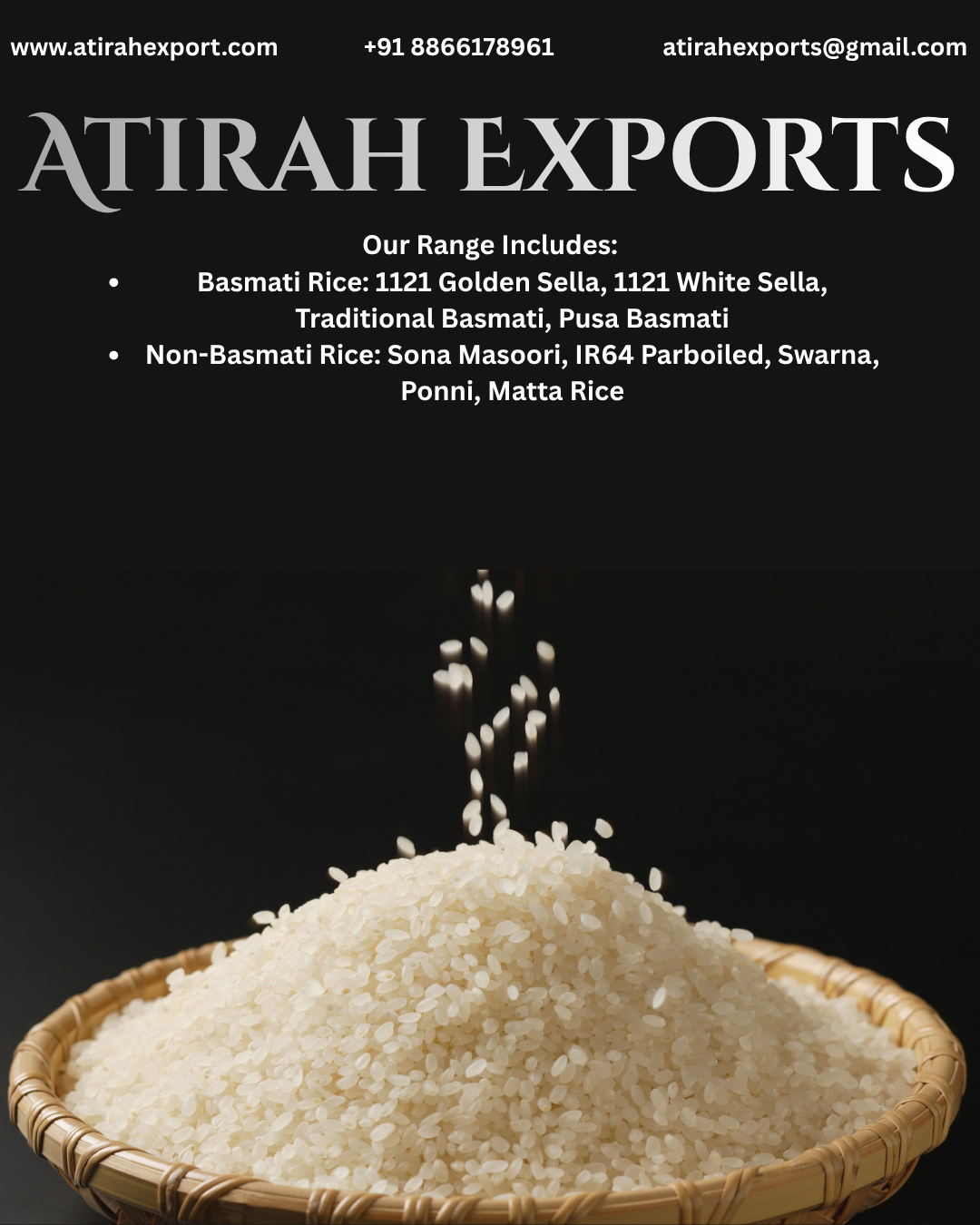
- Basmati Rice
- Non-Basmati Rice
- Wheat Flour
- Pulses
- Cereals
Beverages
- Tea
- Coffee
Food Ingredients
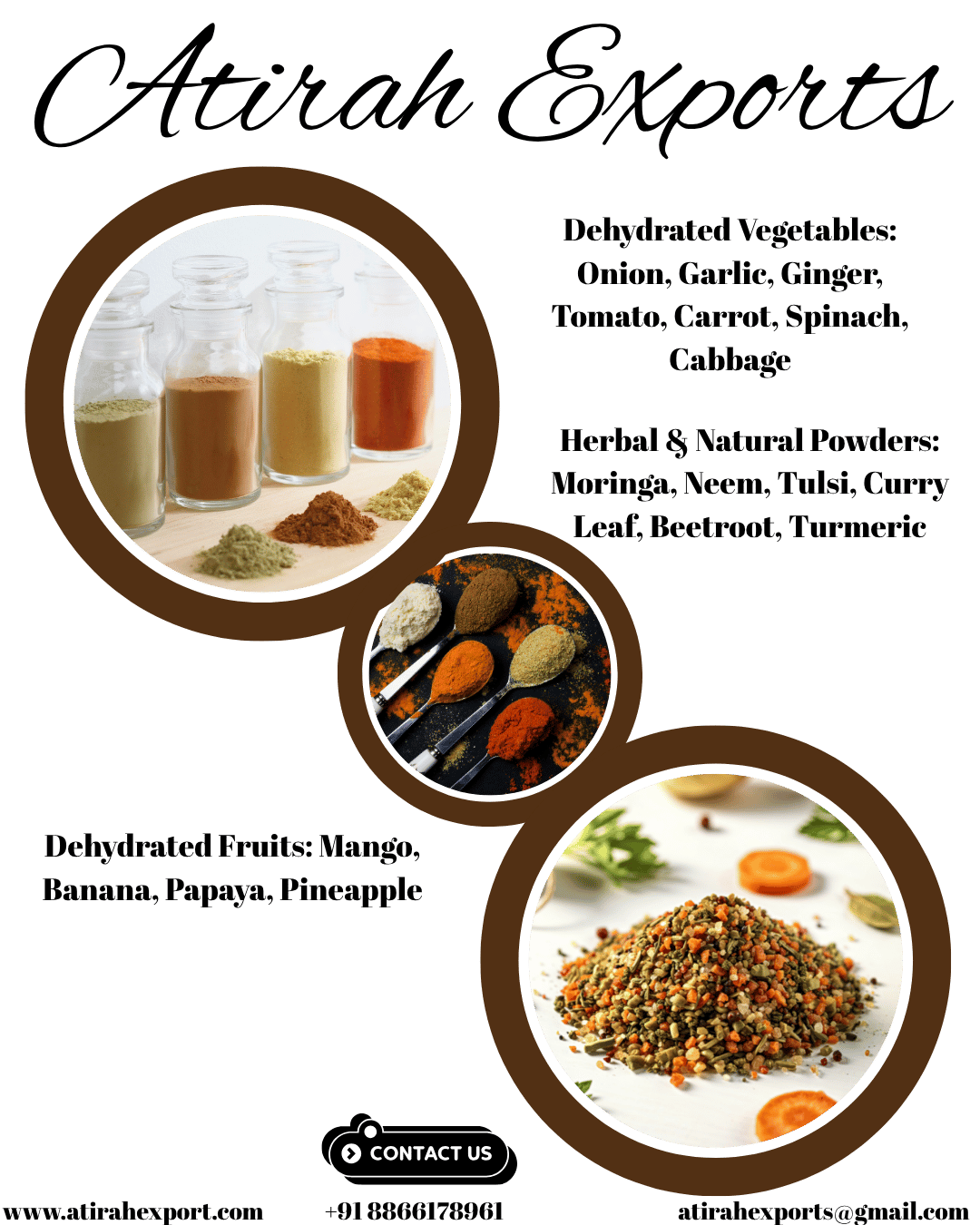
- Spices
- Herbal Powders
- Natural Ingredients
Fresh Produce
- Mangoes (seasonal)
Textiles
- Fabrics
- Garments
- Home textiles
Depending on destination-country regulations, compatible products may be consolidated into a single shipment where practical.
Benefits of Consolidated Purchasing
1. Lower Shipping Costs
Combining products into one container often reduces freight costs per unit.
Instead of shipping several partially filled containers, buyers can maximize container utilization and reduce transportation expenses.
2. Easier Documentation
Only one export partner manages:
- Commercial Invoice
- Packing List
- Certificate of Origin
- Shipping Documents
- Export Customs Documentation
This minimizes paperwork and reduces the likelihood of documentation errors.
3. Better Quality Control
A reputable merchant exporter coordinates inspections before shipment.
Quality checks may include:
- Product specifications
- Packaging inspection
- Label verification
- Quantity confirmation
- Container loading supervision
This helps ensure that products meet the agreed standards before dispatch.
4. Reduced Communication Challenges
Managing multiple suppliers often involves:
- Different response times
- Multiple invoices
- Separate production schedules
- Language barriers
- Inconsistent documentation
Working with one exporter simplifies communication and improves coordination.
5. Flexible Packaging Solutions
Many buyers require customized packaging, such as:
- Private labels
- Retail packs
- Bulk bags
- Multilingual labels
- Customized carton printing
- Barcode integration
An experienced merchant exporter can coordinate these requirements across multiple suppliers.
How to Choose the Right Merchant Exporter
Before placing an order, evaluate whether the exporter:
- Has export experience
- Understands international documentation
- Works with verified manufacturers
- Provides transparent communication
- Offers product customization
- Performs quality inspections
- Has reliable logistics partners
- Responds promptly to inquiries
Request product samples and verify references where appropriate before committing to larger orders.
Questions to Ask Before Ordering
Consider asking:
- Which products can you supply?
- Can you consolidate multiple products into one shipment?
- What certifications are available?
- Can you arrange private labeling?
- What are the minimum order quantities?
- Which Incoterms do you offer?
- What payment methods do you accept?
- What is the estimated production and shipping timeline?
Clear answers to these questions help establish expectations from the outset.
Common Mistakes to Avoid
Avoid these common pitfalls:
- Selecting suppliers based only on the lowest price
- Not requesting product samples
- Ignoring packaging requirements
- Overlooking import regulations in the destination country
- Failing to confirm product specifications in writing
- Not verifying documentation requirements before shipment
Proper planning helps prevent costly delays and misunderstandings.
Why India Is an Ideal Multi-Product Sourcing Destination
India offers:
- A broad manufacturing base
- Diverse agricultural production
- Skilled workforce
- Competitive pricing
- Strong export infrastructure
- Major seaports with global connectivity
- Growing focus on quality and compliance
These strengths make India a preferred sourcing destination for businesses worldwide.
Conclusion
Sourcing multiple products from a single Indian merchant exporter can simplify procurement, reduce logistics costs, and improve operational efficiency. By partnering with a reliable exporter who coordinates manufacturers, quality control, documentation, and shipping, importers can focus more on growing their business and less on managing multiple supplier relationships.
Whether you are sourcing food products, agricultural commodities, beverages, textiles, or a combination of categories, a well-organized merchant exporter can provide a streamlined and dependable procurement experience.