By Unnati Vimal Thakor
Proprietor, Atirah Exports
India’s export landscape is undergoing one of its most significant transformations in recent years. As global supply chains continue to diversify and businesses seek reliable sourcing destinations, India has strengthened its position through new Free Trade Agreements (FTAs). These agreements are not merely diplomatic achievements—they are opening tangible commercial opportunities for exporters, manufacturers, and merchant exporters across the country.
As the proprietor of Atirah Exports, I closely monitor international trade developments because they directly influence how Indian exporters compete in global markets. The latest FTAs are expected to reduce trade barriers, improve market access, and create new business possibilities for companies of every size, especially Small and Medium Enterprises (SMEs).
What is a Free Trade Agreement (FTA)?
A Free Trade Agreement is an agreement between two or more countries to reduce or eliminate customs duties, simplify trade procedures, and encourage cross-border business. Besides lowering tariffs, modern FTAs often include provisions related to investment, intellectual property, digital trade, customs cooperation, and product standards.
For exporters, these agreements can significantly improve competitiveness by reducing costs for overseas buyers and making Indian products more attractive in international markets.
Why 2026 Is an Important Year for Indian Exporters
Several recent trade developments have placed India in a stronger global position. Countries worldwide are looking to diversify their sourcing away from single-country dependence, and India has emerged as a preferred manufacturing and sourcing destination.
Recent trade agreements are expected to provide Indian exporters with:
• Reduced import duties in partner countries
• Easier market access
• Faster customs procedures
• Greater investor confidence
• Improved long-term trade stability
These advantages are particularly valuable for merchant exporters who connect Indian manufacturers with overseas buyers.
Opportunities for Indian SMEs
Traditionally, many small exporters believed international trade was dominated by large corporations. However, digital commerce, improved logistics, and new trade agreements are changing this perception.
Today’s SME exporters can compete globally by offering:
- High-quality products
- Competitive pricing
- Flexible order quantities
- Reliable documentation
- Fast communication
- Consistent product quality
Merchant exporters play a vital role by helping overseas buyers source products from verified Indian manufacturers while managing export documentation, logistics, quality coordination, and communication.
Industries Expected to Benefit
Several sectors are expected to gain significantly from expanding trade agreements.
Agricultural Products
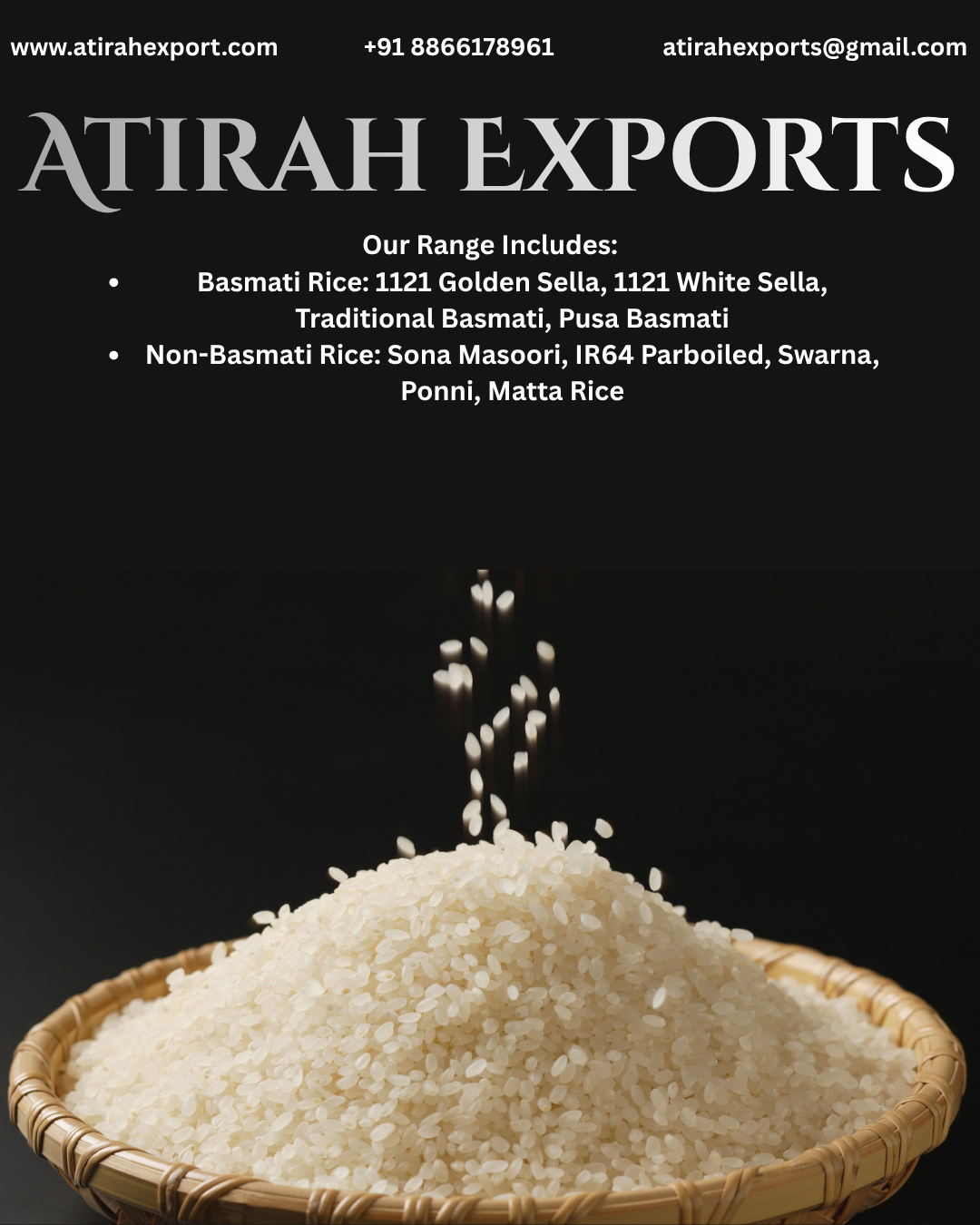
Indian rice, spices, tea, coffee, fruits, and processed food continue to experience growing international demand.
Textiles
India’s textile industry remains one of the country’s strongest export sectors, benefiting from improved tariff access and increasing preference for sustainable sourcing.
Eco-Friendly Products
The global transition toward sustainable consumption has increased demand for biodegradable packaging, compostable tableware, and environmentally friendly alternatives.
Natural Products
Herbal ingredients, botanical powders, wellness products, and naturally sourced ingredients continue gaining popularity in international markets.
Beyond Lower Tariffs
Many exporters focus only on tariff reductions. However, modern FTAs offer additional advantages that can be equally valuable.
These include:
- Simplified customs procedures
- Greater transparency
- Improved dispute resolution
- Easier regulatory cooperation
- Better investment climate
- Enhanced trade facilitation
Together, these improvements reduce the complexity of international trade and help businesses expand more confidently.
Challenges Exporters Should Prepare For
While new opportunities are encouraging, exporters must also prepare for higher expectations from international buyers.
Common requirements now include:
- Consistent product quality
- Traceability
- Food safety compliance
- Sustainable sourcing
- Accurate export documentation
- Reliable delivery schedules
- Transparent communication
International buyers increasingly seek long-term supply partners rather than one-time suppliers.
How Merchant Exporters Can Add Value
Merchant exporters bridge the gap between manufacturers and overseas buyers.
At Atirah Exports, we believe successful exporting involves much more than offering competitive prices. Buyers appreciate suppliers who understand product specifications, documentation requirements, logistics planning, packaging preferences, and international business practices.
By coordinating with reliable manufacturers and maintaining transparent communication, merchant exporters can reduce sourcing risks for overseas customers while helping Indian producers reach global markets.
Practical Tips for New Exporters
If you are planning to expand your export business, consider the following:
• Research target markets before approaching buyers.
• Understand product regulations in destination countries.
• Invest in professional communication.
• Maintain complete export documentation.
• Build relationships rather than chasing one-time orders.
• Stay updated with trade agreements and government export policies.
• Focus on quality, reliability, and long-term credibility.
Looking Ahead
India’s export sector is entering an exciting phase. The combination of new trade agreements, growing global demand, digital business platforms, and improved logistics presents exceptional opportunities for Indian exporters.
Businesses that invest in quality, compliance, customer relationships, and continuous learning will be better positioned to benefit from these developments.
For SMEs and merchant exporters, the future is not just about exporting products—it is about becoming trusted global business partners.
Conclusion
Free Trade Agreements are more than policy announcements; they are strategic opportunities for businesses willing to adapt and grow. As international markets continue evolving, Indian exporters who understand changing buyer expectations and leverage these agreements effectively will have a significant competitive advantage.
At Atirah Exports, we believe India’s strength lies not only in its diverse product portfolio but also in its ability to build lasting partnerships based on quality, trust, and professional service. The coming years present an excellent opportunity for Indian exporters to strengthen their global presence and contribute to the country’s growing role in international trade.
Call to Action
Looking for a reliable sourcing partner from India?
Atirah Exports specializes in supplying high-quality agricultural products, tea, coffee, spices, textiles, eco-friendly products, and customized export solutions to international buyers.
Website: www.atirahexport.com
Email:
info.ae@atirahexport.com
atirahexports@gmail.com
WhatsApp:
+91 8160378961
+91 7990922402
+91 8866178961